
Building inspection Amsterdam FAQ
These are the questions expats, other buyers and sellers ask us most about the building inspection (bouwkundige keuring), also called a building survey or house survey: what it costs, what is and isn’t checked, how to choose an independent inspector and what to do if the result is disappointing. If you’re buying in Amsterdam for the first time, the Dutch process moves fast, so it helps to know this before you make an offer.
Premiumkeur has 4.9 stars from 704 Google reviews and 104 Trustpilot reviews. Nederlandse versie.
In short
- A standard building inspection at Premiumkeur costs € 499 including VAT, for homes up to 800 m³.
- Premiumkeur goes into the whole crawl space and onto the roof where it’s safe. Many standard inspections only look around the crawl space hatch and up to a limited height.
- Ideally have the inspection done before you make an offer or before you sign the purchase agreement.
- Choose your own inspector. An inspector who comes through the estate agent may have an interest in a smooth sale.
Answers by Fred Tokkie, owner of Premiumkeur. He was a contractor from 1983 to 2009 and has inspected houses in Amsterdam since 2009. Updated on .
Cost and duration of a building inspection
How much does a building inspection in Amsterdam cost?
At Premiumkeur a standard building inspection costs € 499 including VAT, for homes up to 800 m³. Above 800 m³ we charge € 0.50 per extra m³. But the price isn’t the point; what matters is how thorough it is, because most inspections are more superficial than buyers think. The crawl space is often only looked at around the hatch, the roof only up to a limited height, and many companies don’t include the foundation as standard. So check carefully what you get for your money. A cheap, superficial inspection can cost you dearly if defects are missed: the repair bill is often many times the price of the inspection.
How long does a building inspection take?
An inspection takes 1 to 1.5 hours on average. You get the report within two working days. You don’t have to be there, but it’s a good idea: you see for yourself what the inspector sees and you’ll understand the report better.
How much does a building surveyor or building advice cost?
A standard building inspection at Premiumkeur costs € 499 including VAT, for homes up to 800 m³. Specialist advice, for example in a building dispute with your contractor, costs from € 599.
Is a building inspection tax deductible, and is it required for NHG?
Usually it isn’t deductible. You can only deduct the cost if the lender or NHG (the Dutch National Mortgage Guarantee) requires the inspection for you to get the mortgage. If you have the house inspected on your own initiative, as most buyers do, you pay for it yourself and can’t deduct it. If you’re unsure, ask your mortgage adviser.
An inspection isn’t always required for NHG either. NHG only asks for a building report if the valuation report shows overdue maintenance that needs fixing soon, that the building is in poor condition, or that the valuer recommends further building investigation. The report then has to follow the NHG model building report.
But don’t be guided only by what’s required. The valuer looks at value, not at what’s happening under the floor or on the roof. Especially in older Amsterdam homes, the expensive defects are often in the crawl space, the foundation or the roof, and you won’t see those at a viewing.
What is checked during a building inspection?
Does a building inspection also look at the foundation, the crawl space and the electrics?
Looking isn’t the same as inspecting. You can’t see the foundation itself; you can see cracks in the facade and work out from them whether there might be a foundation problem. To assess the foundation you measure, among other things, how far the facades and floors lean.
You can only properly assess the crawl space by crawling all the way through it, front to back, not just by looking in from the hatch. Many building inspectors state in their terms and conditions that they only look around the hatch. That’s too little to get a good picture of the crawl space.
The electrics are assessed visually, not tested. So we always recommend having a safety inspection of the electrical installation done before you buy.
Does the inspector also go onto the roof and under the floor?
Most inspectors don’t go onto the roof; they work with a height limit. Read their terms and conditions.
Most inspectors do look under the floor if there’s a hatch, but only around the hatch. That leaves you with a big risk of high costs later on. The same goes for the roof.
You can’t inspect a roof from a distance. You really have to get up there and look up close. Then you find defects you’d never see from further away.
What doesn’t an inspector see?
An inspector doesn’t need to see everything to track down hidden defects. With years of experience you know where they usually are, although you often need destructive investigation to be certain. An inspector who puts the buyer first will warn you about possible defects. If an inspector does a lot of work for estate agents and depends on them financially, there’s a risk that defects are played down, because he doesn’t want to put the sale at risk.
Is a building inspection really worth it?
A well-done inspection often pays for itself many times over. In an average house we find € 5,000 to € 15,000 worth of defects. With the report in hand you can negotiate on price. Also look at the threshold amount in the building inspection condition of the purchase agreement, often € 5,000: in practice it works like an excess. You don’t have to accept it; try to have it removed or lowered.
Is a building inspection worth it for a newer house built after 2000?
Yes, a building inspection makes sense for a newer house too. A house from 2000 is now 26 years old. Roofing, lead flashings and zinc work last about 25 years on average, so in a house from that period they often need replacing. In an average house that easily costs € 5,000 to € 10,000. We also regularly find construction errors in new-build homes, and they can cost you a lot of money.
What should I look out for when viewing an old house?
Above all, look out for foundation problems, damp, the condition of the roof and asbestos. Look for cracks in the facade and above windows and doors, sloping floors, sticking doors, damp patches and a musty smell. Ask whether you can look into the crawl space. For houses built before 1970 we always recommend a foundation survey.
What should I look out for when buying a 1930s house?
The older the house, the greater the chance of building defects. An older house also needs more maintenance on average than a younger one.
What should I look out for when buying and renovating a listed building?
Listed buildings (monuments) have more building defects on average than younger buildings. For many changes to a monument you need a permit from the municipality; in Amsterdam those applications are assessed by the Monuments and Archaeology department. Find out before you buy what you can and can’t change.

Premiumkeur goes onto the roof where it’s safe, because from a distance you miss defects.

Loose lead flashings are a common cause of leaks.

A Premiumkeur inspection includes the whole crawl space, not just the bit around the hatch.

We check window frames for wood rot and poor joints.
Choosing an independent inspector
Which building inspection company has the best reviews?
Premiumkeur has an average of 4.9 stars on Google and Trustpilot, from more than 800 reviews. Buyers mainly mention that the inspector really goes onto the roof and into the crawl space, takes the time to explain everything and puts the buyer’s interests first.
What should I look out for in reviews of building inspectors?
Many building inspectors get their work through estate agents, and that can lead to a conflict of interest. The risk is that the results of the inspection are played down, so the buyer faces high costs after the purchase.
The seller’s estate agent recommends an inspector. Are they independent?
A selling agent who recommends inspectors has an interest of their own: a quick sale. The risk is that they’d rather recommend a lenient inspector who does a superficial inspection and produces a favourable report. That doesn’t mean every inspector an agent recommends isn’t independent, but to be safe, choose your own inspector.
Is the standard inspection from a large provider good enough?
Most standard inspections are visual: the crawl space is usually only looked at around the hatch, the roof only up to a limited height, and a foundation survey isn’t included as standard. For an old house that kind of inspection often isn’t enough to give a reliable picture of the condition of the whole house. Ask beforehand what is and isn’t inspected, and read the terms and conditions.
Who can carry out a building inspection? Can a contractor friend do it?
In principle anyone can carry out a building inspection; it’s not a protected profession. Bringing a contractor friend who knows their stuff can even be better than an inspector your agent recommends. Bear in mind that a contractor usually doesn’t write a report, and you sometimes need one for the building inspection condition or the bank.
The building inspection and your purchase
Should I have the inspection done before or after making an offer?
Always before the offer, if possible. Get as much clarity as you can before you bid, because if lots of defects are found and the repair costs are high, you may be better off not buying.
Should I have the inspection done before or after signing the purchase agreement?
My advice is always: before you sign the provisional purchase agreement (voorlopig koopcontract). That gives you more time to think everything through properly.
My offer has been accepted. Can the inspection be done within two working days?
Yes, at Premiumkeur that’s possible within two working days. Call us on 020-7736842 as soon as your offer is accepted, and we’ll schedule the inspection within the deadline of your conditions. You get the report within two working days after the inspection.
When can I deduct defects found in the inspection from the purchase price?
You can always try to offset the repair costs against the price, but only if the seller agrees. So you have to negotiate it with the seller and their agent.
What counts under the building inspection condition, for example an old boiler?
What counts is set out in the building inspection condition (bouwkundig voorbehoud) in the purchase agreement. Often it only covers urgent repairs above a threshold amount; an old central heating boiler that still works usually doesn’t count. So read that condition carefully before you sign, and negotiate the rest with the seller and their agent.
The inspection result is disappointing. Can I still negotiate?
You can always negotiate. How far you get depends on how hard the seller and their agent push and how firm you are yourself. A report with concrete repair costs is your strongest argument.
The inspection shows the foundation is poor. How do I get out of the purchase?
If your purchase agreement has a building inspection condition, you can dissolve the purchase by sending written notice to the seller or their agent within the deadline, with the report attached. A phone call isn’t enough: put it in writing by email or registered letter, on time.
How do I meet my duty to investigate?
As a buyer in the Netherlands you have a duty to investigate (onderzoeksplicht). Read all the documents in the municipal building file for the house and talk to the neighbours. Ask all your questions about the house by email, not verbally, otherwise you have no proof. There’s a good chance the agent won’t answer every question honestly.
Can I share the building inspection report with the seller?
Yes, you can share the report with the seller. Do ask the company that carried out the inspection first whether they have any objection.
I’ve received the building report. Where do I start?
My advice: let an AI assistant such as Claude read the report too. It can analyse building reports well and spot contradictions. And of course, ask your questions to the person who carried out the inspection.
What’s the difference between structural defects, urgent maintenance and improvement costs?
- Structural defects are serious and have to be fixed.
- Urgent maintenance has to be done straight away; otherwise the repair costs rise even further.
- Improvement costs are what you spend to upgrade the home; they’re usually not urgent.
After the purchase: defects that weren’t in the report
I had an inspection, but there’s a leak or mould after the purchase. Is the inspector liable?
If the damp patches and mould were visible during the inspection and aren’t in the report, the inspector may be liable. Whether you win legally is another matter: many inspectors limit their liability in their terms and conditions.
Can I hold the inspector or the seller responsible for problems that weren’t in the report?
Yes, you can. Experience shows, though, that the terms and conditions of many building inspection companies protect the inspector very well against liability.
Is a leak shortly after the purchase a hidden defect?
A hidden defect is one you couldn’t reasonably have seen at the viewing and during the building inspection. If the seller knew about it and didn’t tell you, they may be liable. If they didn’t know either, it’s hard to recover the costs.
I discovered hidden defects after two years. Can I still do anything?
Usually not. Many inspectors use short complaint periods in their terms. Against the seller it’s sometimes still possible, if you can prove they knew about the defect and kept quiet; report it as soon as possible after you find it and get legal advice.
Asbestos and the building inspection
Is there asbestos in my house?
Asbestos is mainly found in houses built or renovated between 1945 and 1994, and it can be in many places. Think of roof boarding, corrugated sheets, vinyl flooring and carpet glue, sealants, window sills, flues and drainpipes. During the inspection we report material that may contain asbestos. You only get certainty from an asbestos survey by a certified firm.
Can you rule out asbestos based on the year of construction?
Not 100%. We do know that asbestos hasn’t been allowed in building materials in the Netherlands since 1993. So in houses built after that the chance is small, but in older houses or renovations from before then it can be anywhere.
Where can asbestos be?
Asbestos can be in old vinyl flooring and the glue underneath, in sealants, in panels under window frames, on or under the roof boarding, in window sills, in flues and in sewer pipes. You only get certainty from an asbestos survey. Also meet your duty to investigate and ask around the street whether other residents have found asbestos in their homes.
How do I avoid buying a house with hidden asbestos?
You can reduce the risk by knocking on a few doors in the street and asking whether asbestos has been found there. Ask the seller directly as well, preferably by email. If you ask the agent, you may get an evasive answer. That kind of neighbourhood check is part of your duty to investigate.
How much does an asbestos survey and asbestos removal cost?
An asbestos survey costs € 400 to € 600 on average. Removal can cost thousands to tens of thousands of euros if a lot of asbestos has to go.
I can see material that might be asbestos in the attic or crawl space. What do I do?
Have it tested first and, if it’s asbestos, removed by a certified asbestos removal company. Never do this yourself.
Asbestos was found after the building inspection. What now?
Hire a certified company to remove it. First have an asbestos survey done; it costs € 400 to € 600 on average. Then you know exactly what has to go and can compare quotes fairly. Never remove asbestos yourself.
Should I have asbestos removed, or can it stay?
If it’s built into a chimney and undamaged, you can often leave it, because you don’t come into direct contact with asbestos fibres. Asbestos in vinyl flooring or carpet glue, sealants and window frames should be removed by a certified asbestos removal company.

Material that may contain asbestos is often found on and around chimneys.

Roof penetrations and vent pipes are also part of the roof inspection.

Insulation that may contain asbestos around an old pipe in the crawl space. As long as it’s undamaged, no fibres are released.

Old drainpipes can also contain asbestos. If in doubt, have it tested before you start renovating.
Questions from sellers
Do I need a building inspection as a seller?
No, you’re not obliged to. It can help, though: with your own report you know what’s going on and you avoid arguments later.
Which defects do I have to disclose as a seller?
As a seller you have to disclose defects you know about and that the buyer can’t easily see. This is called the duty to disclose (mededelingsplicht).
How long am I liable as a seller for a hidden defect?
You’re liable as a seller if you didn’t disclose defects you knew about. If the buyer finds out you kept quiet and can prove it, you can still be held liable years later.
The buyer has come back after six months with a hidden defect. What now?
In practice it’s very hard for a buyer to recover the cost of a hidden defect, especially if the seller says they knew nothing about it. That’s almost impossible to prove, and legal proceedings often cost more than they bring in.
After the inspection the buyer wants to lower the price. Do I have to agree?
No, you don’t. But the buyer can dissolve the purchase if they have a building inspection condition and the defects exceed the agreed threshold amount.
The buyer wants to renegotiate after the building report. Do I have to go along with it?
No, you don’t. If the buyer has a building inspection condition, they can pull out of the purchase if the defects fall within that condition.
Can I sell a house with a foundation problem or an owners’ association in poor shape?
You must always tell the buyer. As a seller you have a duty to disclose: defects you know about have to be reported. If you keep them quiet, the buyer can hold you liable later. A recent foundation report or an overview of the owners’ association (VvE) reserve fund helps the buyer make a fair offer.
Do I have to accept an offer at the asking price?
No, you don’t have to accept an offer at the asking price. In the Netherlands the asking price is an invitation to negotiate. There’s only a sale once you agree on price and conditions, and that’s then put in writing.
The buyer had an inspection done after the purchase and now wants money. Am I liable?
In principle, no. If the buyer didn’t have a building inspection done before the purchase, they didn’t properly meet their duty to investigate. It’s different if you knew about defects and deliberately kept quiet.
From our reports
A few anonymised examples from our own reports. We always leave out addresses and names. You’ll find more cases in the Premiumkeur knowledge base.
Roof structure sawn away in a top-floor flat from 1888
Situation: In May 2026 a buyer had a top-floor flat inspected in a six-storey building with an owners’ association.
What we found: Load-bearing parts of the roof structure had been sawn away to add the attic to the flat. Wood rot had been hidden under a metal plate, the windows weren’t watertight and the owners’ association had no money for repairs. Urgent repairs: about € 9,700, not counting the roof structure.
What you can learn from it: The buyer decided not to buy. An inspection doesn’t reject a house; it lets you decide with your eyes open.
A sloping door frame caused by work downstairs, Hoofddorppleinbuurt
Situation: A pre-purchase survey of a flat from 1928 in a building with a shop on the ground floor (January 2022).
What we found: The kitchen door frame had dropped more than 4 cm. The downstairs neighbours may have removed a load-bearing wall. In the crawl space there were broken joists and a rusting steel support structure. The roof terrace was 30 cm higher than the back door, so water ran inside.
What you can learn from it: A defect in your own home can have a cause outside it. Measuring made it clear what had to be investigated first.
A 1993 house without major defects, Amsterdam-Noord
Situation: A pre-purchase survey of a family house in January 2018.
What we found: Concrete piles and a foundation in very good condition, a 25-year-old roof that was still sound, and a central heating boiler that worked well. Total estimate € 5,075 (2018 prices), mainly painting and smoke alarms.
What you can learn from it: Not every inspection brings bad news. An honest report also tells you when a house is in good shape, and what maintenance is coming.
Videos
On our YouTube channel we show how a Premiumkeur building inspection works. The videos are in Dutch, but the pictures speak for themselves.

Video: crawl space inspection in Amsterdam (in Dutch)
A full crawl space inspection by Premiumkeur, showing why you need to go into the whole crawl space and not just look in at the hatch.

Video: roof inspection during the building inspection (in Dutch)
A roof inspection carried out as part of the building inspection.

Video: inspecting a canal house (in Dutch)
A building inspection of an Amsterdam canal house.
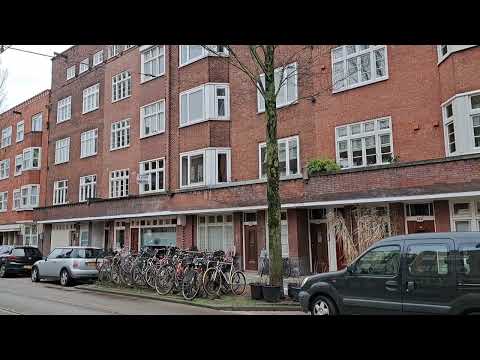
Video: tips for buying a house in Amsterdam (in Dutch)
Tips for people buying a house in Amsterdam.
Question not answered?
Choose your own inspector, not one from the agent’s network
Because the Dutch system is new to you, it’s natural to follow your estate agent’s suggestions. Keep in mind that the agent is paid when the sale goes through. Choose an independent inspector yourself, even if the agent or mortgage adviser mentions a partner. Ask: will you go into the crawl space and onto the roof where it’s safe, and can you confirm your independence in writing? Premiumkeur doesn’t work with estate agents or mortgage advisers, doesn’t pay or receive referral fees and doesn’t recommend repair companies.
Call or WhatsApp us. We speak English and can provide an English report for € 100 extra.
Premiumkeur AmsterdamPhone: 020-7736842
WhatsApp: 06-29563190
Email: premiumkeur@gmail.com
See all our services and prices (in Dutch).
Use of this information
This page gives general information based on our own inspections. It doesn’t replace an inspection of the house you want to buy. Prices include VAT and were correct in November 2026.